
Have you noticed how a sugary breakfast leaves you grumpy by 11 o’clock, while a warm, nourishing meal makes you feel calm and content? Food doesn’t just fuel the body – it affects your brain, mood and energy too. 😊
How food affects mood
- Blood sugar: big spikes and crashes can cause irritability, anxiety and tiredness.
- Building blocks: the brain needs amino acids, fats, vitamins and minerals to make mood messengers like serotonin and dopamine.
- The gut–brain axis: your gut bacteria talk to your brain through the vagus nerve and many other signals. Read The Vagus Nerve.
- Inflammation: a highly processed diet is linked to more inflammation, which researchers connect with low mood.
Good mood foods
- Oily fish – omega-3 for the brain. Read Omega-3 for Brain and Mood.
- Leafy greens – folate and magnesium.
- Berries – colourful antioxidants.
- Nuts and seeds – magnesium, zinc and good fats.
- Eggs – protein, B12 and choline.
- Beans and lentils – fibre and steady energy.
- Fermented foods – kefir, yoghurt, sauerkraut. See Water Kefir.
- Oats and whole grains – steady blood sugar.
- A little dark chocolate – a mood lift in a square.
Mood drainers
- Lots of sugar and white flour
- Ultra-processed food
- Too much caffeine and alcohol
- Skipping meals
A happy-mood day on a plate
Breakfast: oats with berries, walnuts and yoghurt · Lunch: salmon salad with greens and seeds · Snack: apple and almonds · Dinner: lentil curry with brown rice · Evening: chamomile tea.
Please note: Food can support mood, but it isn’t a treatment for depression or anxiety. If you feel low, hopeless or anxious for more than a couple of weeks, please talk to your doctor.
🛍️ From my Etsy shop
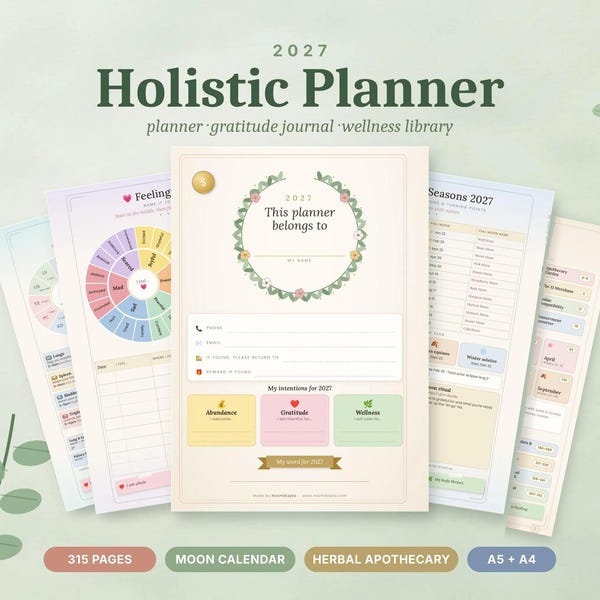
Holistic Planner 2027
A printable A5 planner for body and soul – track your food and mood to see your own pattern.
Tag me #NoomiKajsa 😊
Read more: 8 Benefits of Feeling More Joy · Reducing Sugar · Anti-Inflammatory Recipes