
Collagen is the most common protein in our body. It is like the scaffolding that holds us together – in the skin, joints, bones, tendons, hair and nails. From our mid-20s, we start making a little less every year, and that’s one of the reasons skin becomes thinner and joints less springy. ✨
What collagen does
- Skin: firmness and elasticity
- Joints: part of cartilage that cushions the joints
- Bones: gives bones structure and flexibility
- Muscles and tendons: connective tissue that holds muscles together
- Hair and nails
What breaks collagen down?
- Too much sun without protection
- Smoking
- A high-sugar diet (glycation)
- Chronic stress and poor sleep
- Natural ageing and menopause
How to support your collagen naturally
- Eat enough protein – collagen is built from amino acids like glycine and proline.
- Vitamin C contributes to normal collagen formation for the normal function of skin, bones and cartilage. See Natural Vitamin C.
- Bone broth and slow-cooked meat with skin and joints.
- Fish with skin, eggs, beans and nuts.
- Colourful vegetables and berries for antioxidants.
- Cut down on sugar – read the benefits of reducing sugar.
- Protect your skin from burning.
- Strength training helps muscles, tendons and bones.
What about collagen supplements?
Collagen powders (hydrolysed collagen peptides) are very popular. Some studies suggest they may improve skin hydration and elasticity and help with joint comfort, but many studies are small or funded by companies. If you try one, choose a good-quality product and give it about 8–12 weeks.
A simple collagen-friendly day
Eggs and berries for breakfast · lentil and vegetable soup with bone broth for lunch · salmon with peppers and broccoli for dinner · a handful of nuts and an orange as a snack.
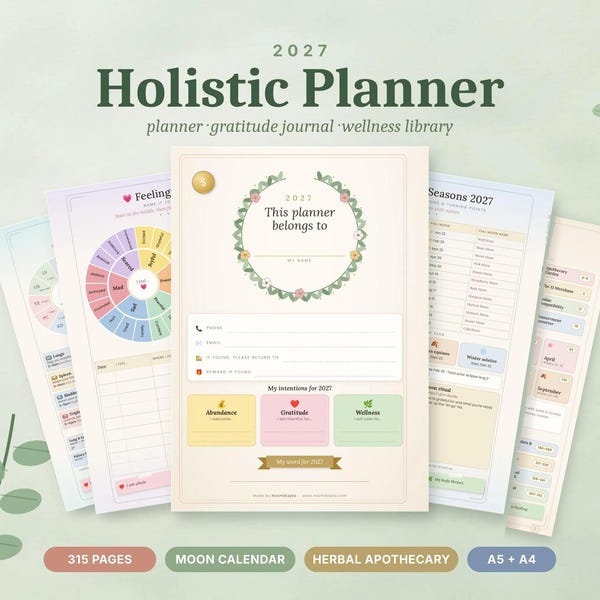
🛍️ From my Etsy shop
Holistic Planner 2027
A printable A5 planner for body and soul – track your food, water and self-care habits.
Tag me #NoomiKajsa ✨
Read more: Anti-Aging from the Inside · Vitamins for Hair Growth · Gua Sha