
You know the feeling: after a bad night, the coffee is too weak, the children are too loud, and small things feel like mountains. It’s not in your head – or rather, it is, but for a very real reason. Sleep and mood are tightly woven together, and taking care of one is one of the best ways to take care of the other. 🌸
What happens in the brain after a bad night
- The emotional brake gets weaker. The front part of the brain that helps us think before we react is tired, so we snap faster and cry more easily.
- The alarm centre gets louder. The amygdala reacts more strongly to negative things – we notice what is wrong more than what is right.
- Motivation drops. The brain’s reward system works less well, so things that usually bring joy feel flat.
- Cravings rise. Hunger hormones change, and we reach for sugar and quick carbs – which again affects energy and mood.
Sleep is emotional first aid
During deep sleep the body repairs itself, and during dream sleep (REM) the brain processes the day’s experiences and feelings. Many sleep researchers describe REM sleep as a kind of overnight therapy: memories are kept, but the sharp emotional edge is softened. That is why “sleep on it” is such good advice.
Signs your mood needs more sleep
- You feel irritable or tearful over small things
- You need coffee to feel human – and more in the afternoon
- Your patience with family and colleagues is short
- You crave sugar and snacks in the evening
- You worry more than usual
How to protect your sleep – and your mood
- Keep the same wake-up time every day, also at weekends. It is the strongest signal for your body clock.
- Aim for 7–9 hours and plan your evening backwards from your wake-up time.
- Get daylight early and dim the light in the evening.
- Create a calm evening routine – see my evening routine for deep sleep.
- Keep the bedroom cool, dark and quiet – around 17–19 °C.
- Eat for stable blood sugar – protein, vegetables and good fats at dinner, and not too late.
After a bad night – a kind survival plan
- Lower the bar. Do the most important things and let the rest wait.
- Get outside early. Daylight and fresh air wake up body and mind.
- Eat a proper breakfast with protein instead of just coffee.
- Take a power nap of max 20 minutes before 3 p.m. if you can.
- Tell the people around you. “I slept badly, so I’m a bit short today” prevents a lot of misunderstandings.
- Go to bed a little earlier – don’t try to sleep it all back in at once.
The other way round: when mood steals your sleep
Low mood and worry can also make it hard to sleep. If your thoughts keep you awake, read my post on sleep and anxiety. Small steps – a walk in daylight, a talk with a friend, writing in a journal – can help both sleep and mood at the same time.
🛍️ From my Etsy shop
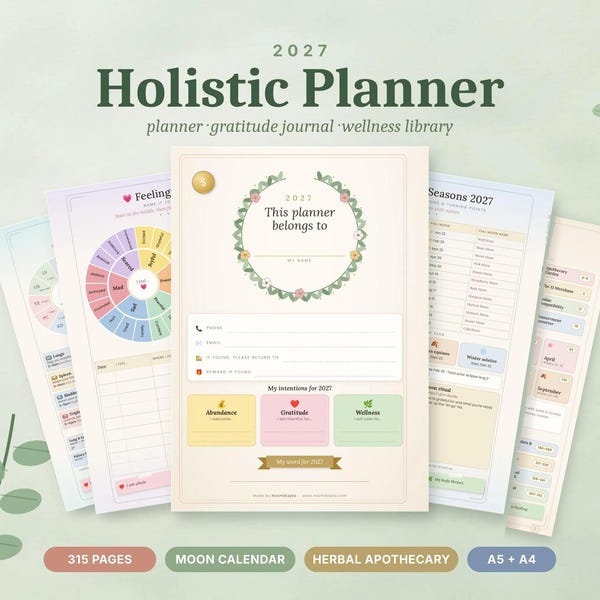
Holistic Planner 2027
A printable A5 planner for body and soul – track your sleep, mood and energy and see the pattern for yourself.
How does a bad night affect you? Tag me #NoomiKajsa 🌸
Read more: Why Sleep Is the Best Recovery · How Your Body Makes Melatonin · Breathing Techniques for Calm