
Strong muscles are not just for bodybuilders. Muscle keeps us strong, stable and independent as we age, protects our bones and helps our blood sugar. Training and good food come first – but some supplements can be a helpful extra. Here is an honest overview. 💪
Food first
No supplement can replace good food, sleep and regular training. Aim for protein at every meal (eggs, fish, meat, yoghurt, beans, lentils), plenty of vegetables, good fats and enough water.
Supplements with good evidence
- Protein powder – practical if you struggle to get enough protein from food. Whey, or pea and rice protein for a vegan option. Protein contributes to the growth and maintenance of muscle mass.
- Creatine monohydrate – one of the best-studied supplements. Creatine increases physical performance in short, high-intensity exercise (3 g a day). It is increasingly studied for older adults and women too.
- Vitamin D – contributes to the maintenance of normal muscle function. Many Nordic people are low in winter.
- Omega-3 – important for the whole body; read EPA and DHA.
- Magnesium – contributes to normal muscle function and the reduction of tiredness.
Often overhyped
- “Fat burners” – often heavy in caffeine with little real effect
- Expensive amino acid drinks (BCAAs) – not needed if you eat enough protein
- Testosterone “boosters” – weak evidence
Strong after 40
From around 30–40 we slowly lose muscle every year unless we train. Two or three strength sessions a week – with weights, bands or body weight – make a huge difference. It is never too late to start.
Choosing a good supplement
- Short ingredient list, no unnecessary sweeteners
- Third-party tested, if possible
- Follow the recommended dose
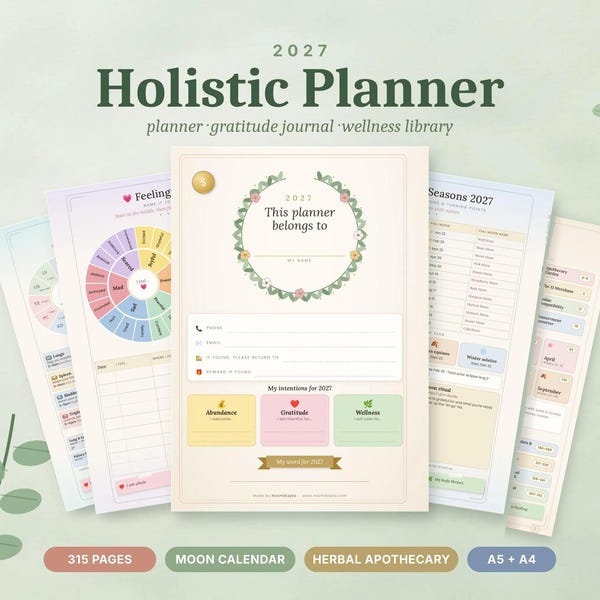
🛍️ From my Etsy shop
Holistic Planner 2027
A printable A5 planner for body and soul – track your training, meals and energy.
How do you keep strong? Tag me #NoomiKajsa 💪
Read more: Anti-Aging from the Inside · Healthy Fats · Test – Don’t Guess